
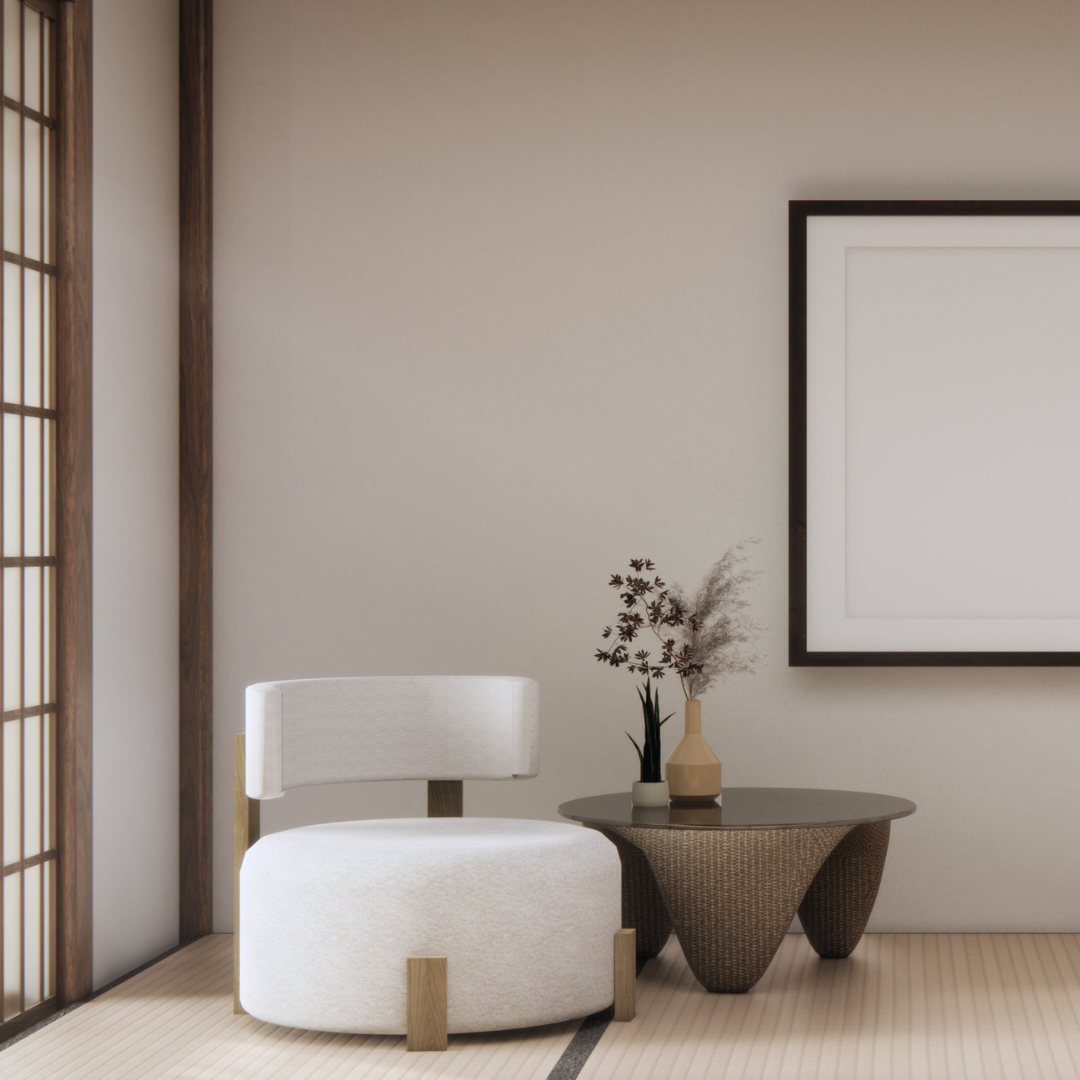
You can clear mental clutter by simplifying your environment and routines, which reduces decision fatigue and frees attention for what matters most. Adopting minimalist habits creates immediate space in your mind, making it easier to focus, calm anxiety, and prioritize tasks with less mental friction.
This post shows practical, evidence-aligned ways to pare down possessions, streamline daily choices, and build habits that support sustained clarity. Expect concise steps and real-world examples that make shifting toward a minimalist lifestyle feel achievable and useful.
Key Benefits of a Minimalist Lifestyle for Mental Clarity
Minimalist lifestyle changes streamline possessions, routines, and choices to free mental energy, improve sleep, and strengthen emotional regulation. The following subsections explain how decluttering and intentional living translate into measurable gains in focus, well‑being, and decision-making.
Reducing Mental Clutter and Overwhelm
Decluttering physical space reduces cognitive load by removing constant visual stimuli that compete for attention. When a person clears surfaces, organizes a minimalist home, or adopts a capsule wardrobe, the brain spends less effort filtering irrelevant items, which conserves mental energy for work and relationships.
A tidy space also shortens routines: fewer objects mean less time spent choosing, maintaining, and cleaning. That reduction in small daily tasks lowers feelings of overwhelm and prevents chronic partial attention. People report clearer thinking, fewer intrusive thoughts, and improved sleep quality after targeted decluttering because their environment no longer cues stress responses.
Boosting Focus and Productivity
Minimalist habits—like keeping a clean desk, limiting open tabs, and scheduling focused work blocks—directly improve sustained attention. Removing distractions such as clutter, excess devices, and unnecessary subscriptions helps people concentrate on priority projects and maintain deeper work states for longer periods.
Productivity rises when decisions are simplified: a streamlined organizational environment and intentional routines reduce decision fatigue and free cognitive resources for creative problem solving. Clear priorities and fewer possessions also make task initiation easier, increasing completion rates and creating momentum that reinforces improved focus and productivity.
Lowering Stress and Improving Emotional Well-Being
Living with less reduces daily stressors tied to maintenance, debt, and cluttered spaces. Intentional spending and mindful consumption create financial security and fewer bills, which diminishes one major source of anxiety and supports stronger emotional resilience.
Minimalist practices build routines that support emotional regulation—regular sleep in a minimalist bedroom, reduced evening screen clutter, and predictable daily rhythms improve sleep quality and mood. Fewer material distractions also encourage meaningful relationships and quality time with family, which increases positive emotions and a greater sense of well‑being.
Supporting Better Decision-Making and Mindset
A minimalist mindset reduces decision fatigue by limiting low‑value choices, such as outfit selection with a capsule wardrobe or daily meal planning with a simple rotation. Saving decision energy for high‑impact choices improves judgment and increases alignment with long‑term goals and values.
Intentional living encourages people to evaluate purchases and activities against explicit values, promoting mindful spending and prioritizing quality over quantity. That practice strengthens self‑control, reduces impulsive buying, and cultivates a consistent, values‑driven mindset that supports personal growth and better long‑term outcomes.
Simplifying Your Environment for Lasting Mental Clarity
Designing an environment for simplicity—clear surfaces, strategic storage, and limited decor—reduces ongoing cognitive demands. Practical steps like one‑in/one‑out rules, scheduled decluttering sessions, and designated drop zones make maintenance sustainable and prevent relapse into clutter.
A simplified environment also supports habits that reinforce clarity: easier cleaning reduces chore time, minimalist bedrooms improve sleep hygiene, and fewer visual cues lower stress. These structural changes create lasting mental benefits because the environment continually supports focus, emotional regulation, and efficient use of time and energy.
Fostering Gratitude, Contentment, and Long-Term Fulfillment
Minimalist living redirects attention from acquiring things to appreciating experiences and relationships. By choosing meaningful purchases and prioritizing time with loved ones, people cultivate gratitude and a deeper sense of contentment that reduces the urge to accumulate.
This shift toward intentional spending and quality over quantity strengthens social connections and increases satisfaction with daily life. Over time, living with less often produces greater freedom, clearer values, and sustained well‑being rather than temporary pleasure from new items.
Leave a Reply